
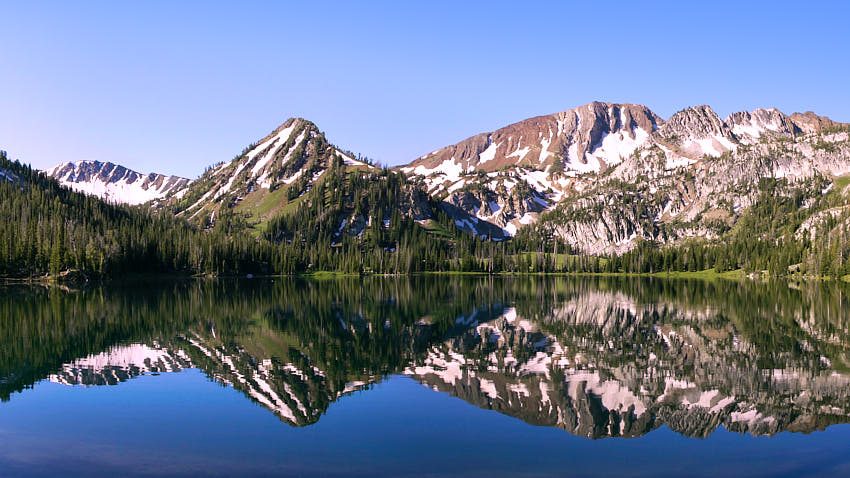
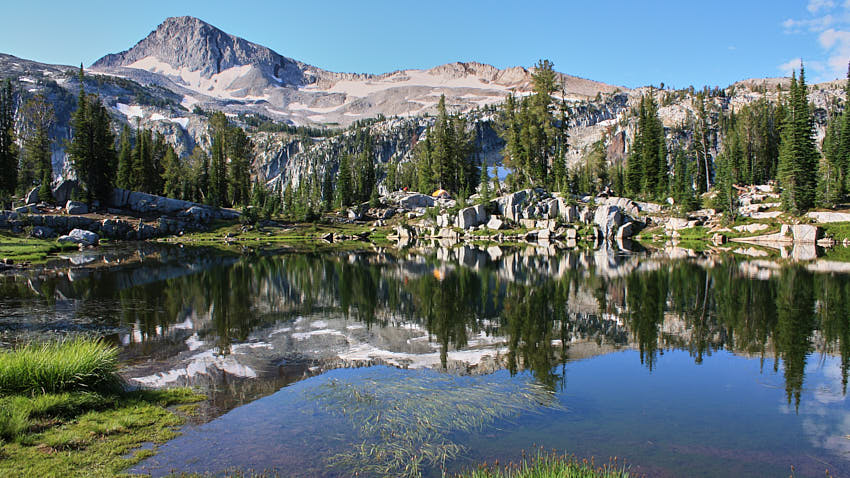
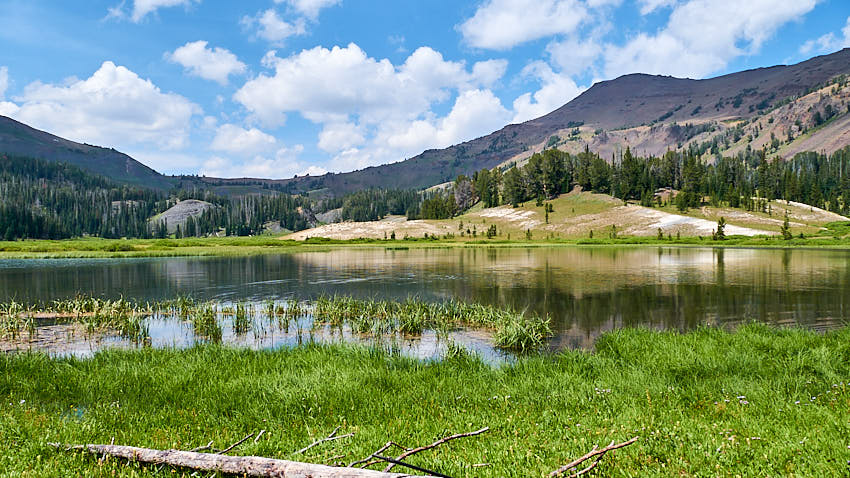
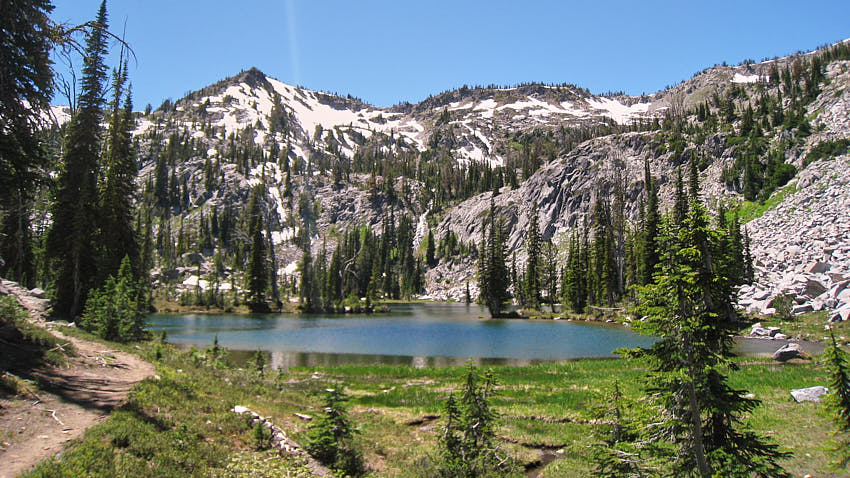
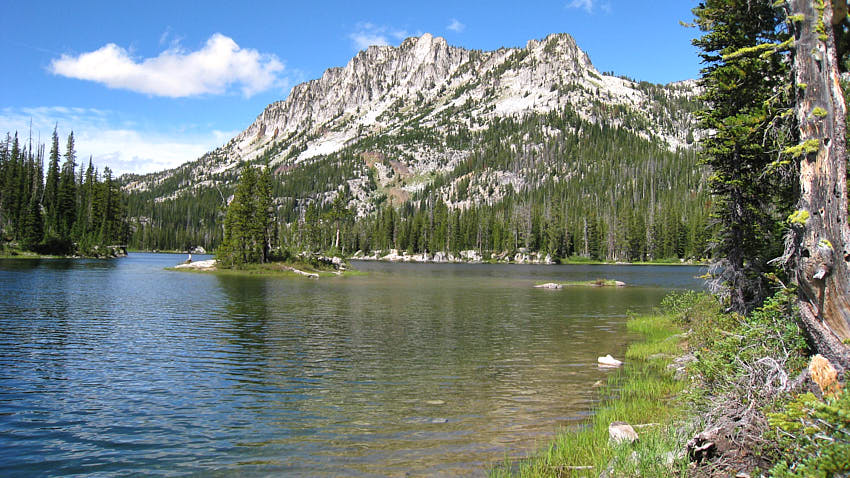
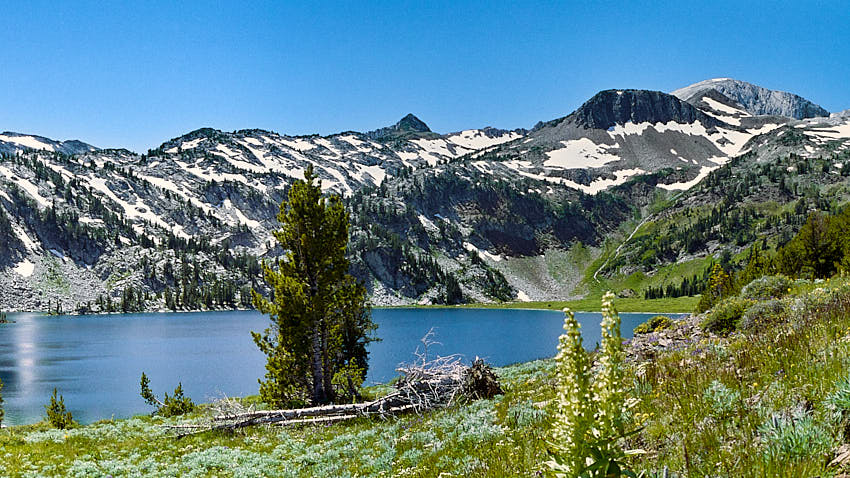
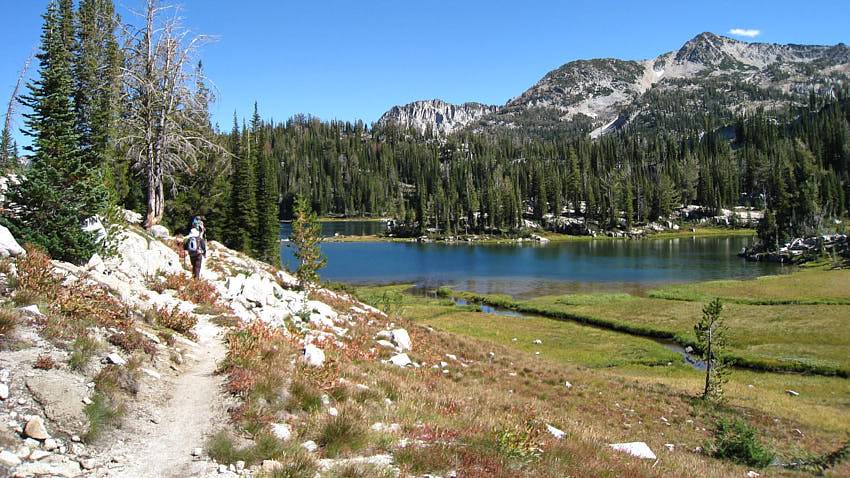
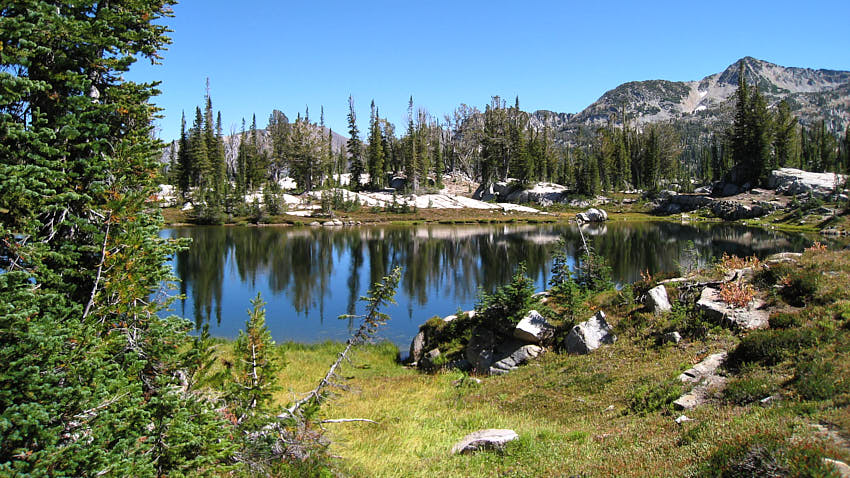
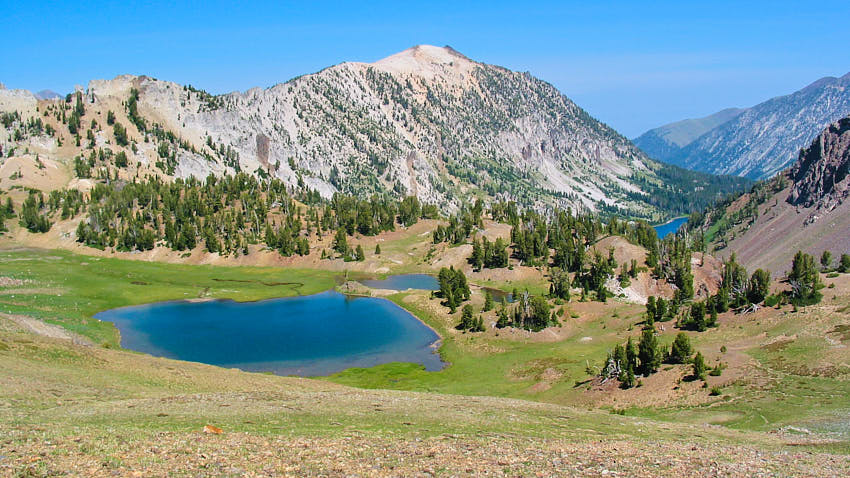


High in Oregon’s Wallowa Mountains, the lakes of the Eagle Cap Wilderness sit like a string of polished gems in glacial bowls—clear, cold, and framed by pale granite ridges and wildflower meadows. The wilderness is defined by these high alpine lakes and U‑shaped glaciated valleys, a landscape shaped by ice and time.
The Eagle cap has 52 named lakes surrounded by wilderness, including Legore Lake at 8,950 feet, Oregon’s highest. It would be fun to visit them all in a lifetime, but here are a few beloved examples that are accessed from Joseph area trailheads.
The Lakes Basin is the most popular destination in the Wallowa Mountains. Its here you’ll find a variety of ponds and small lakes—Crescent, Douglas, Mirror, Sunrise, Horseshoe, Moccasin, Glacier, and Lee among them—where trails interconnect from lake to lake and reflections of jagged ridges called divides fill still mornings. Hikers looking to experience the Eagle Cap in all its glory need a multiple days to really cover the stupendous beauty of The Lakes Basin area. Access by way of the Wallowa Lake West Fork or the Hurricane Creek Trailheads.
Ice Lake is another incredible destination that typifies the steep, amphitheater-like nature of many of the lakes of the Eagle Cap. The trail, unbelievably, leads straight up through a switchback-filled rock-slide complete with a substantial waterfall. This strenuous trail is a challenge, even for the fit, but offers amazing panoramic views of the entire Eagle Cap further up trail at the top of the Matterhorn. Access by way of the Wallowa Lake West Fork Trailhead.
Up the Wallowa Lake East Fork Trail, Aneroid Lake is the site of an old miners settlement that never panned out. The real gold is the unspoiled beauty, especially if you hike beyond the lake into the true alpine zone. If you do some searching, you’ll find Jewett and Dollar – two small ponds that warm up in the summer - great for swimming or bathing. Dollar Lake sits at the base of Dollar Ridge, named for the sand dollar fossils found there.